
Adult Sports Romance
PLOT
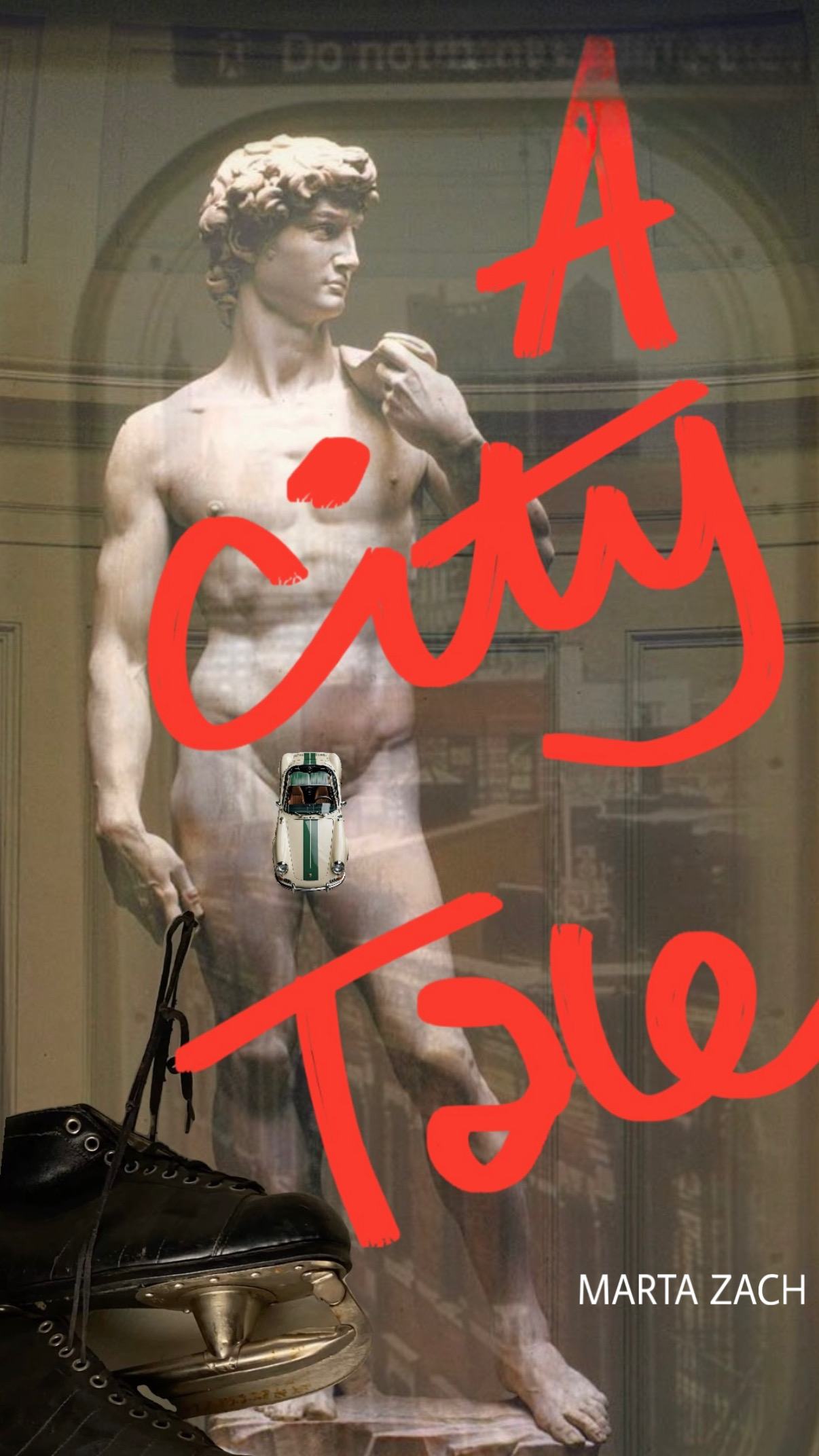
Welcome to a world of limitless possibilities, where the journey is as exhilarating as the destination, and where every moment is an opportunity to make your mark on the canvas of existence. The only limit is the extent of your imagination.
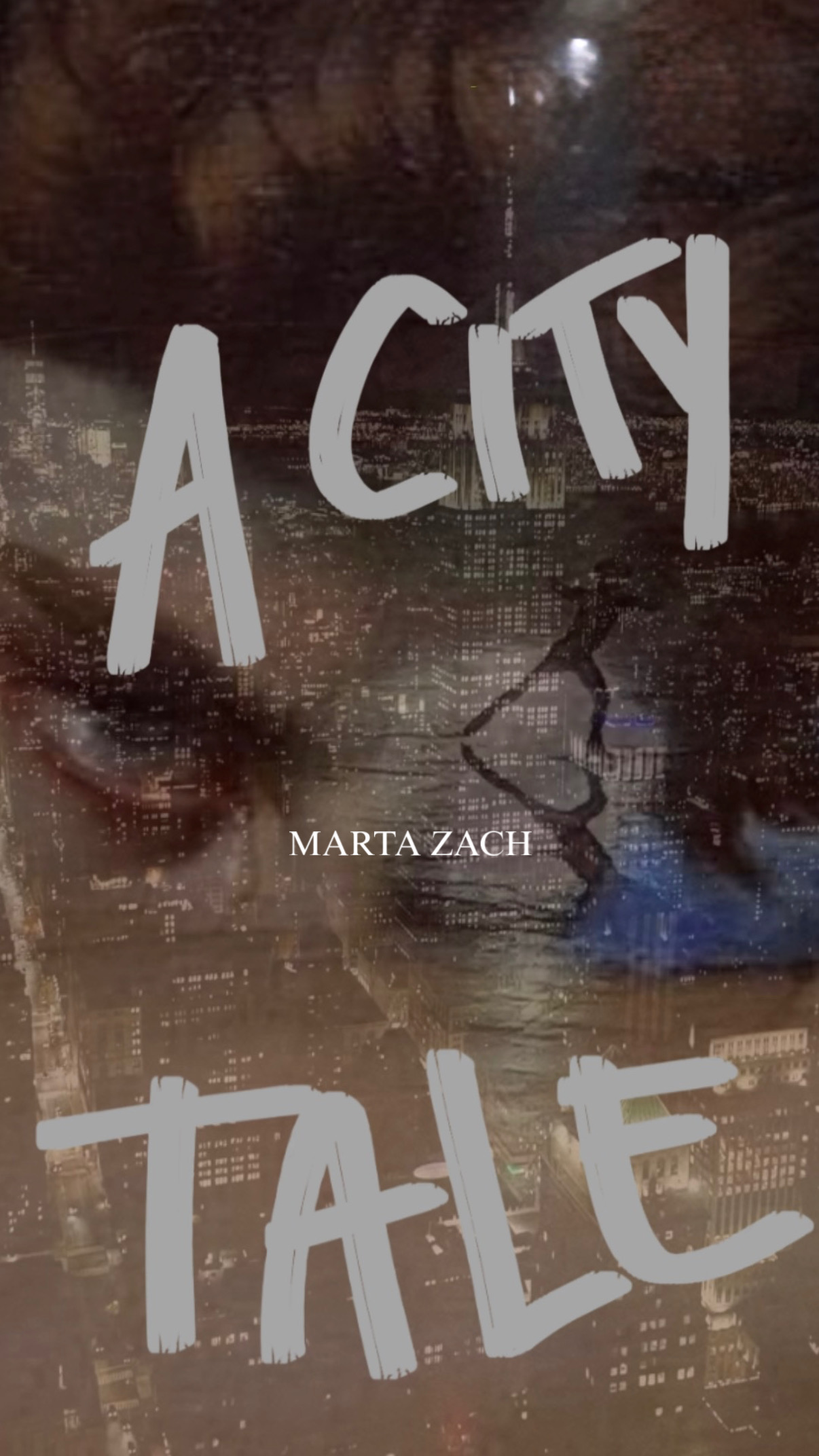
Welcome to a world of limitless possibilities, where the journey is as exhilarating as the destination, and where every moment is an opportunity to make your mark on the canvas of existence. The only limit is the extent of your imagination.
Mood Board (all images from Pinterest):
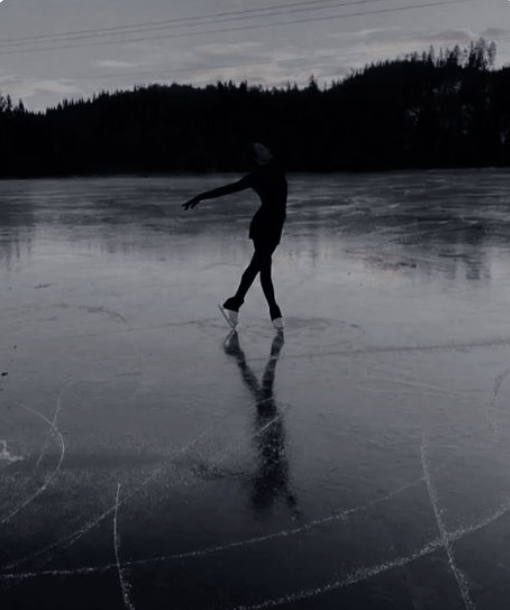
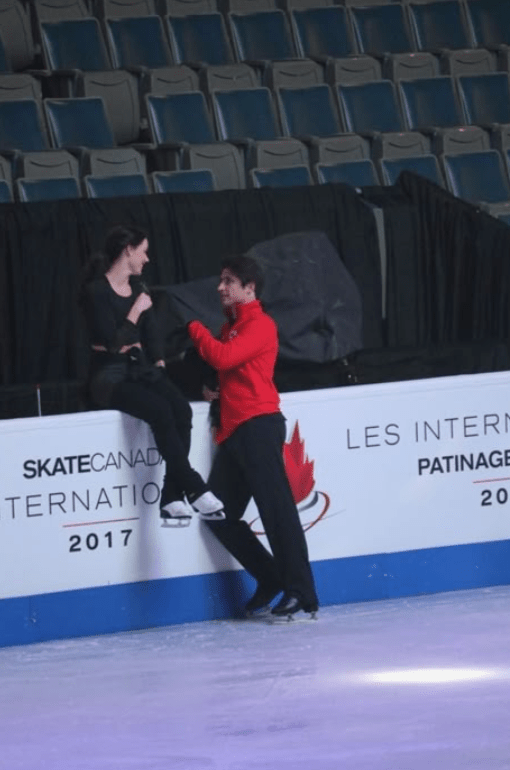
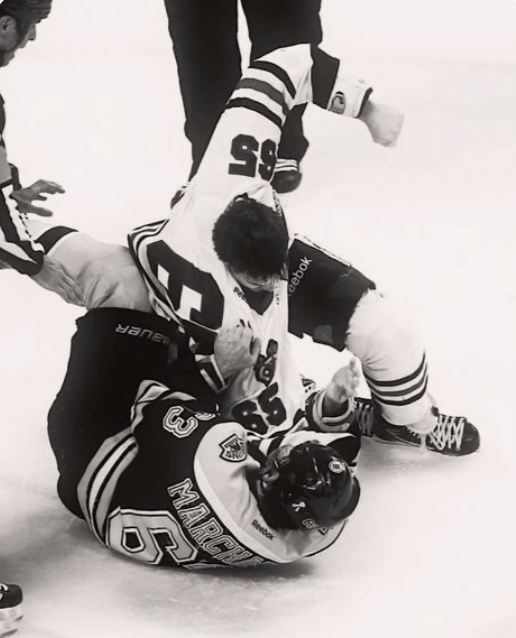
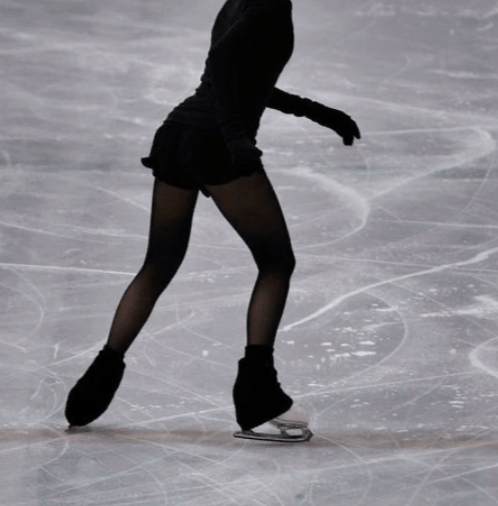
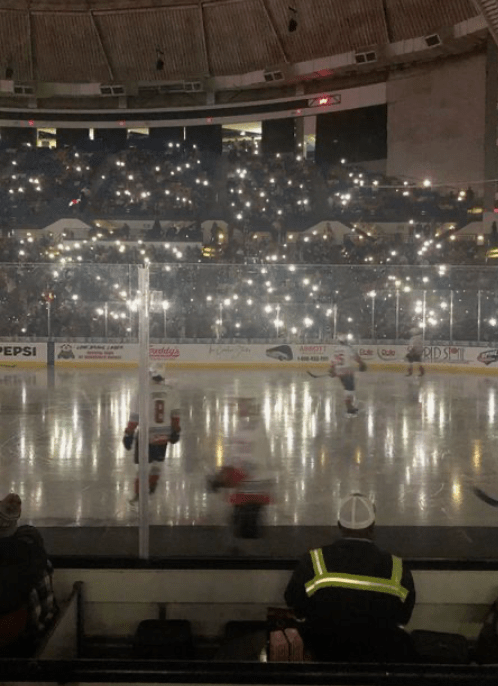
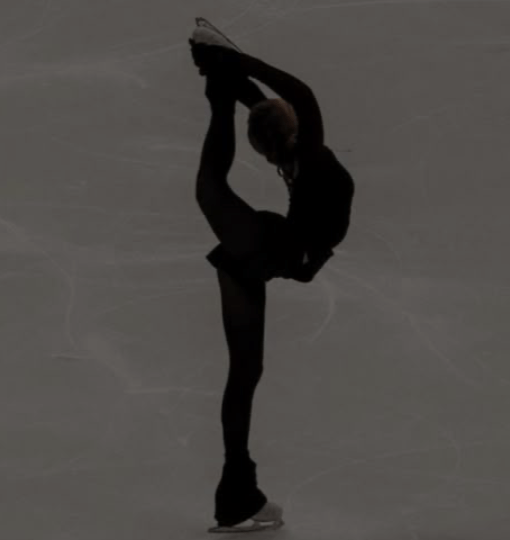
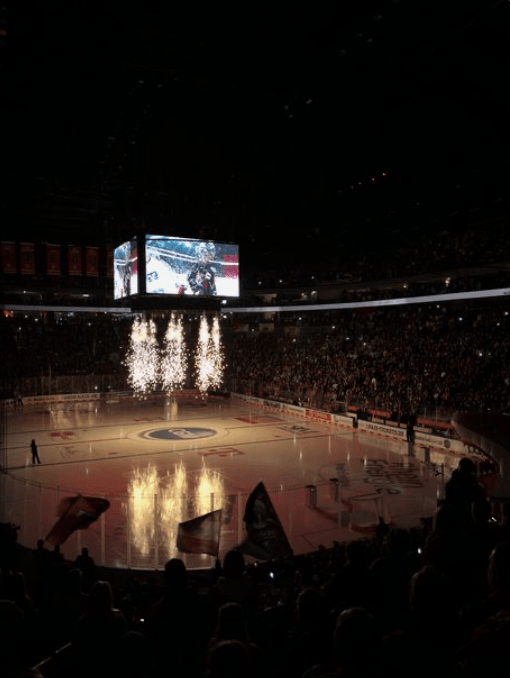
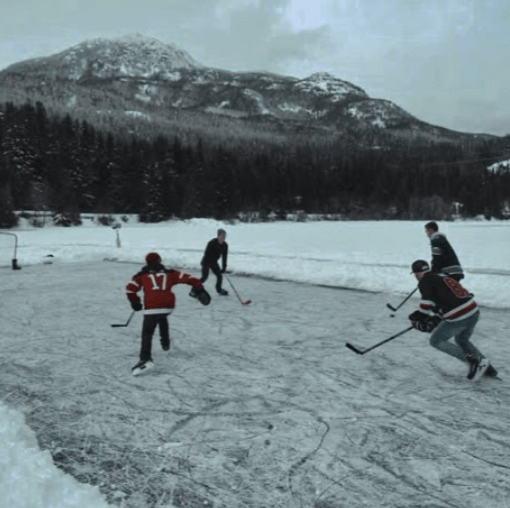
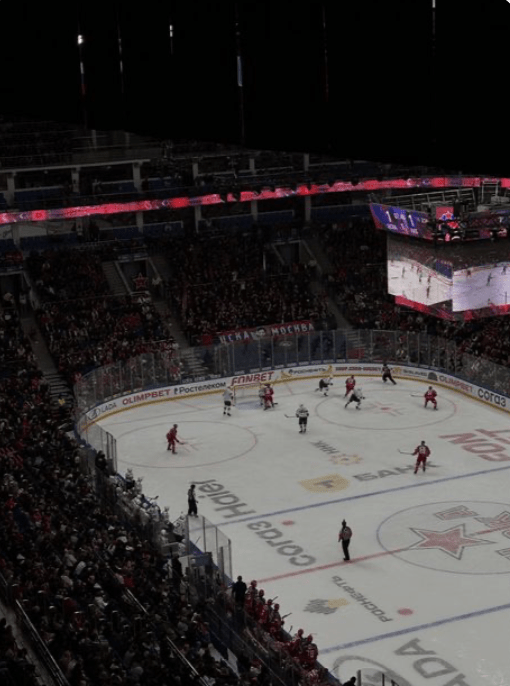
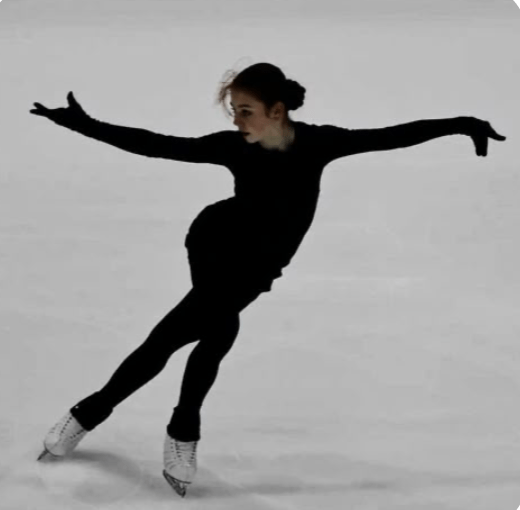
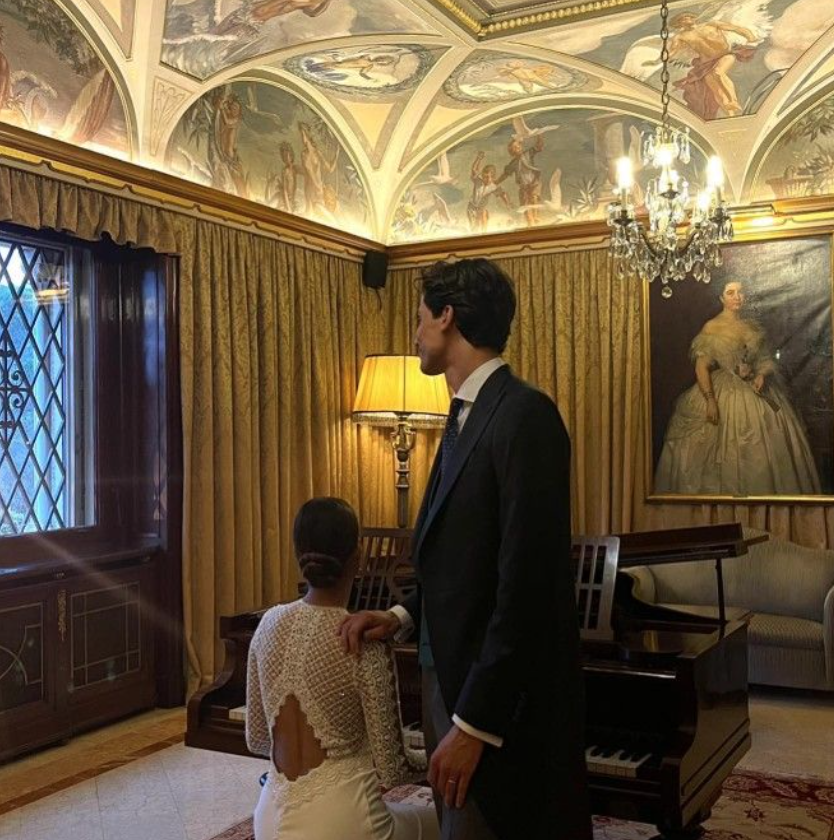

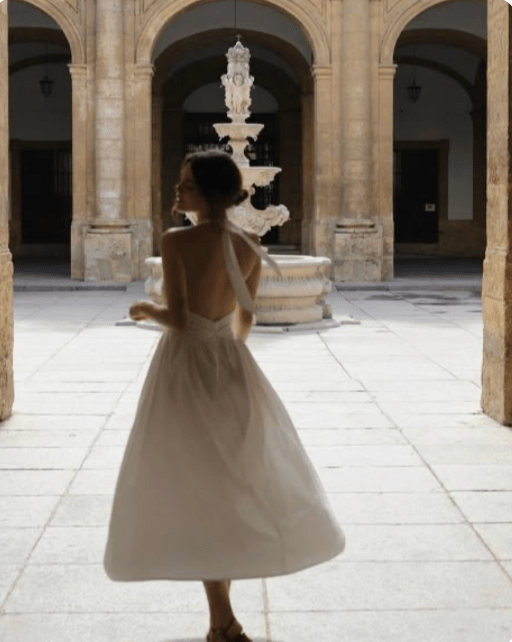

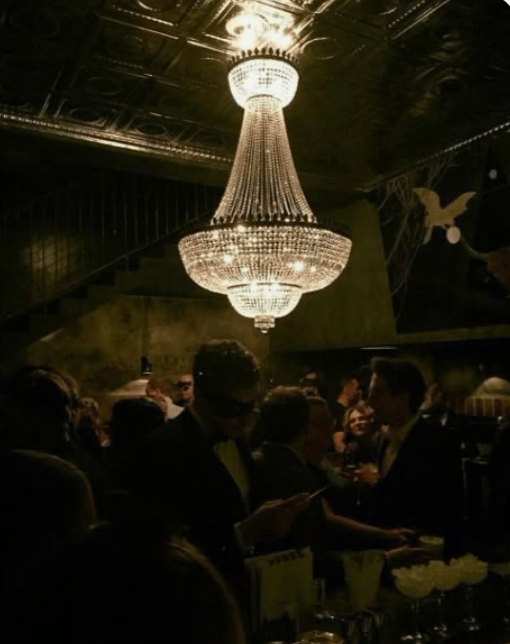
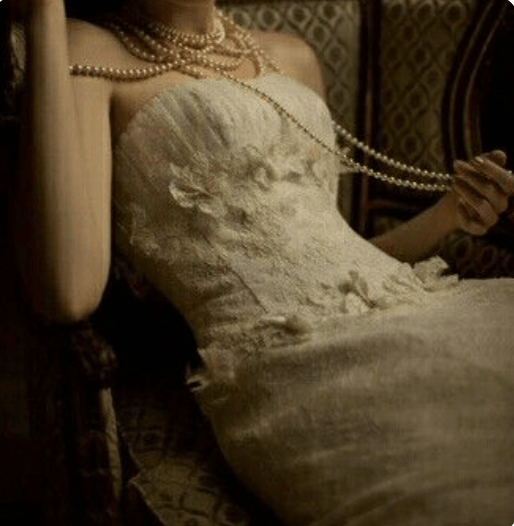
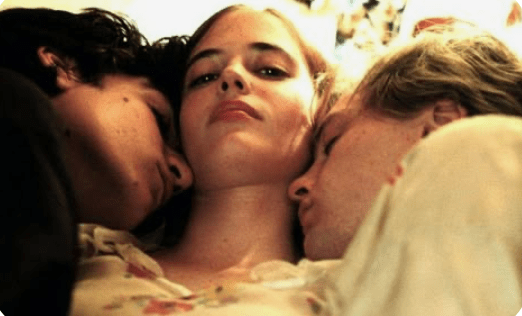
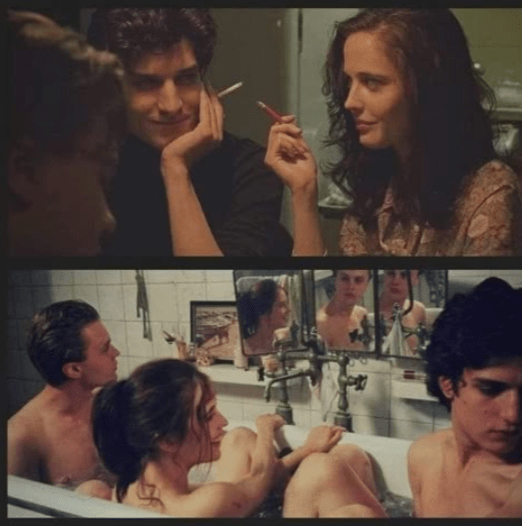
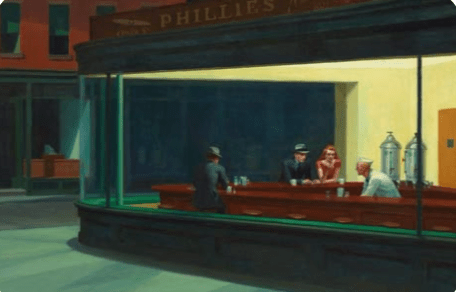
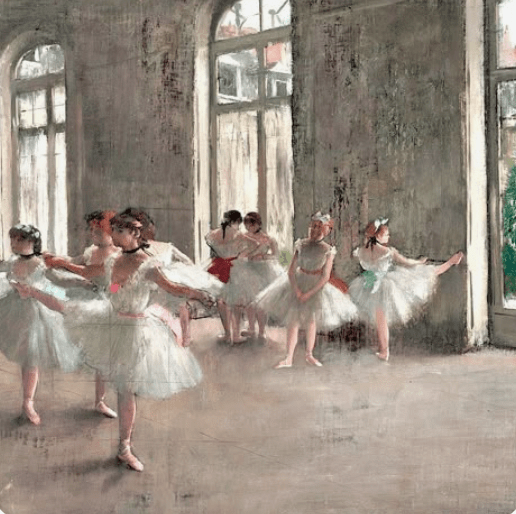
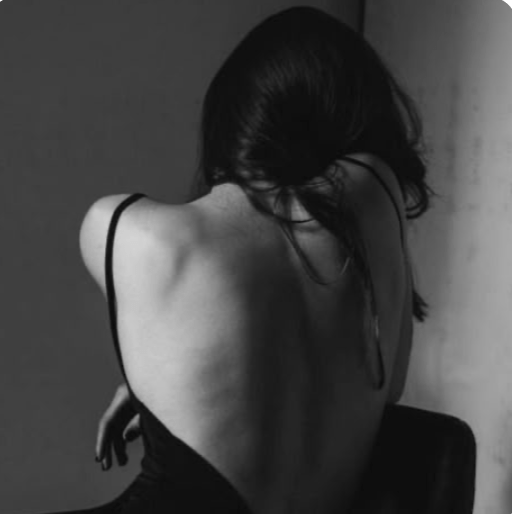
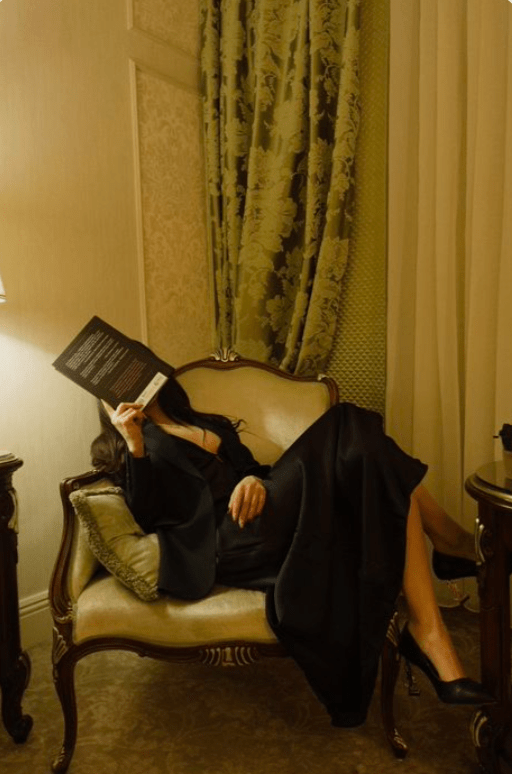
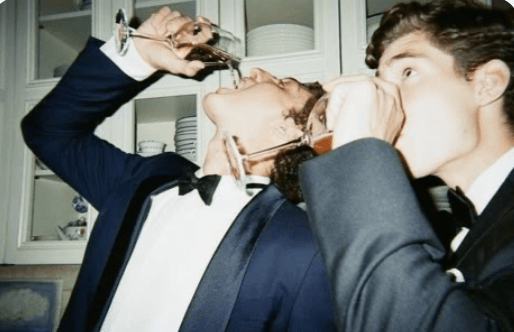
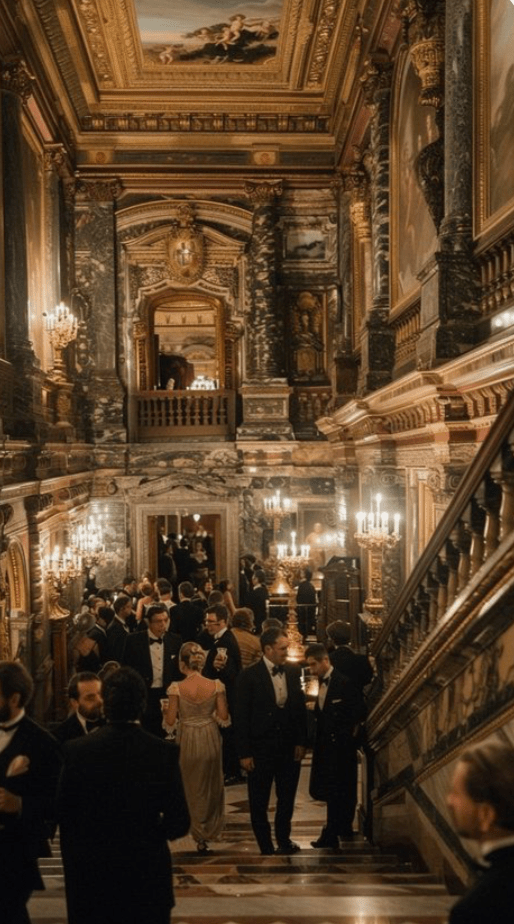
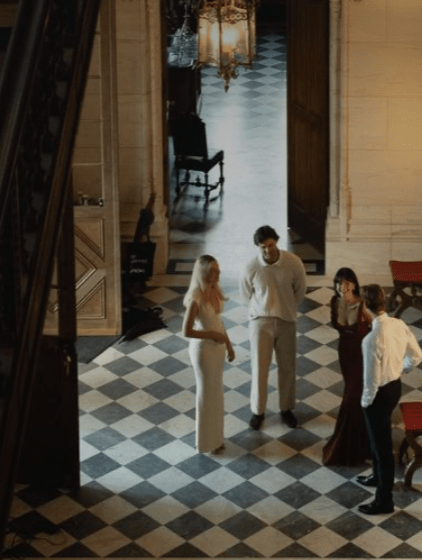

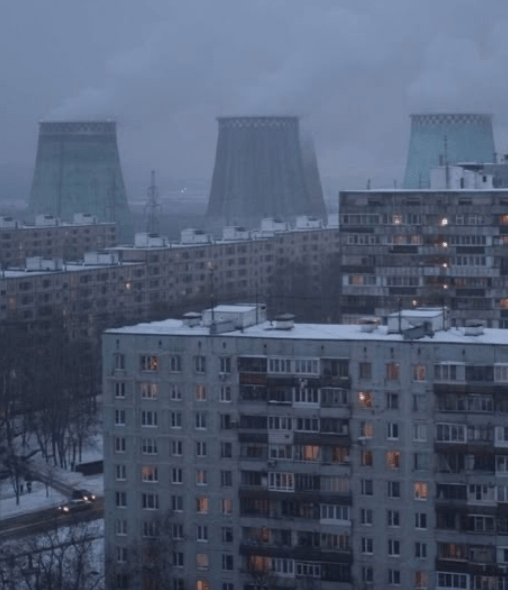
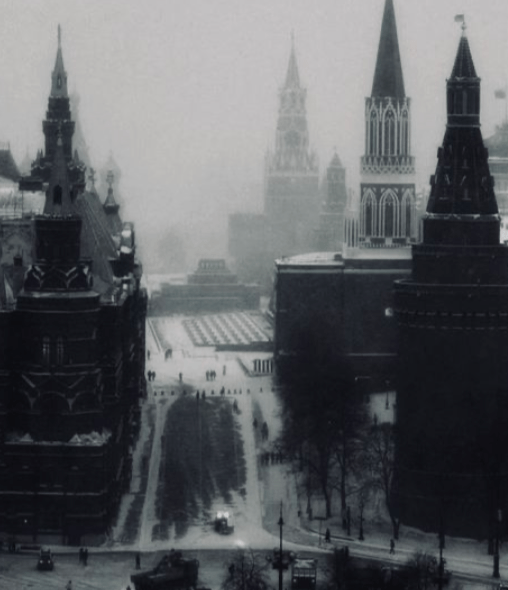
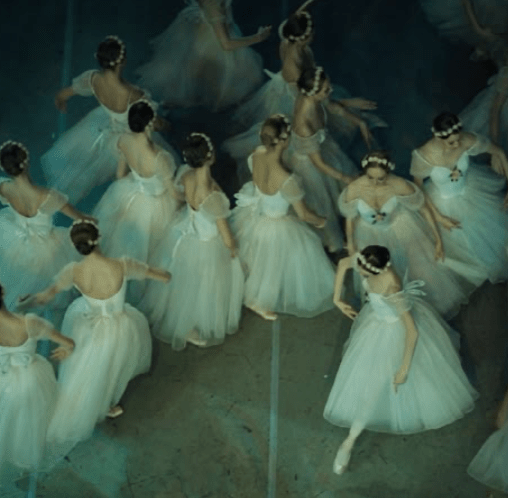
He stole her breath and Adelaide knew that she was fated to be forever enamored by David when she first saw him, tall and proud beneath a magnificent dome, towering above the intrigued, clamoring masses. How average all of the other statues became, how commonplace the crowd.
Hypnotized, she pulled her mother by the hand, and they approached the indomitable man. How banal the meager attempts at perfection before. It was the first time Adelaide had ever laid eyes on a man, all of him, the tapered abdomen, the strong arms, the projecting manhood, the ideal figure, smooth and unmarred and the perfect brainchild of a twenty-six year old Michaelangelo, rendered in a suave contrapposto, mesmerizing. This was the perfect man and she was convinced then that there would never be another like him.
Yield to me.
He was the first man she ever loved.
The second man was one she’d always known, and had always secretly loved, in her subtle, girlish way, one who for years she thought about in contexts no greater than a simple affinity, who was immediate to her, entirely tactile, once unreachable, now hers, a sensation by which she was tantalized rather than overwhelmed as she had been as a girl by David.
She learned that this was David in the flesh, made manifest, the dream by which she’d been haunted since girlhood. This David had been in the yard across from her, had been in her house, had written her letters, had known her for her entire life, hiding in plain sight.
“You’re beautiful,” she was saying to him now, as they laid together in her apartment. The ivory mulberry silk sheets were slick like water.
“No, Addie, you are.”
He was near her, then inside of her, this untouchable form. Marble had become skin and life imitated art, as though young-girl Adelaide had set into motion an invisible series of events which culminated in her and Hauth, virile forms, together and one, at the heights of their athletic careers, David and an Aphrodite who feared her own excess flesh. She had gasped when he first slid his manhood inside of her; now, it rested comfortably, as though the conjunction of their bodies were as typical as their solitude.
“I’ve always been drawn to the male form beyond mere attraction,” she said, running her hands over the muscular arms on either side of her head. “I used to wonder what it would be like to be a boy. And then a man.”
Hauth was puzzled, mouth slightly parted, amusement beginning to formulate upon his countenance. “You wanted to be a boy?”
“No, not in the absolute sense. I’ve never wished to ever forsake my womanhood. It qualifies my femininity, wondering about its opposite,” she said. “I wouldn’t want to be a man now, but I would have made a very good one had I been born one.”
“I can’t lie, being a man is great fun,” he said, “but there is something so…” He kissed her shoulder. “Mesmerizing about being a girl. There is a musicality about a girl and her body.”
“You don’t suppose a man might be musical?”
“Not really.”
He thrust into her and she gasped; he looked down at her, amused, a smile upon his lips, as if wordlessly saying: see?
“There it is. The musicality.”
“Mmm. It’s because you’re attracted to women. You’re of course going to miss the charm of another man, or refrain from thinking of it at all.” It was not often she could bear being mistaken in any regard, or proven wrong, though with Hauth this inclination tended to evade her. However, she was convinced that the male form had a great deal of charm and that a man could very well be an effective muse.
“Do you not agree with me? You aren’t attracted to women, but I’m sure that you can agree there is an objective…harmony about a woman.”
Adelaide wrapped her legs around his waist to drive him deeper into her. He groaned and then sighed against her neck, like a steed.
“If a woman is harmonious, then a man is operatic.”
“Operatic…”
“Projecting. Intentional. A bit dramatic.”
“Is that so?”
“The male orgasm has a certain cadence to it. But that is only if the man is of a certain caliber,” she said. “So maybe it isn’t objective. Though I’d like to think it’s an attainable quality for everyone.”
“Is Adelaide DuPont ceding? To me?”
She met his twinkling eye and smiled. He grinned right back at her, that real smile of his that met his eyes and revealed wolfish canines.
“You wish.”
He shook his head and dove back down to her neck, where he placed a series of gentle kisses upon the fine skin. His lips graced her clavicle, then her suprasternal notch, where her ruby necklace was nestled, then her neck once more. He reached her jaw, that soft spot between the bone and ear. She bucked her hips and held onto the firm muscles of his back, now nearly sqealing as he took the lobe of her ear between his teeth.
“So pretty. The sounds you make.”
She could scarcely speak and was trembling, at the mercy of his inquisitive, hungry mouth. He stuck her tongue inside of her ear and thrust into her and she gasped louder than she’d intended, convulsing beneath him. The marble statue, falling on top of her, crushing her. She was yielding to David now, as he’d commanded to her with his severe marble eyes, all of those years ago. Hauth’s dark hair fell over his eyes and he looked so beautiful and in this moment, he was hers.
“Oh, fuck,” he said.
He liked to undo her like this, it was in his devilish grin and jester eyes. She saw it every time.
Welcome to a world of limitless possibilities, where the journey is as exhilarating as the destination, and where every moment is an opportunity to make your mark on the canvas of existence. The only limit is the extent of your imagination.
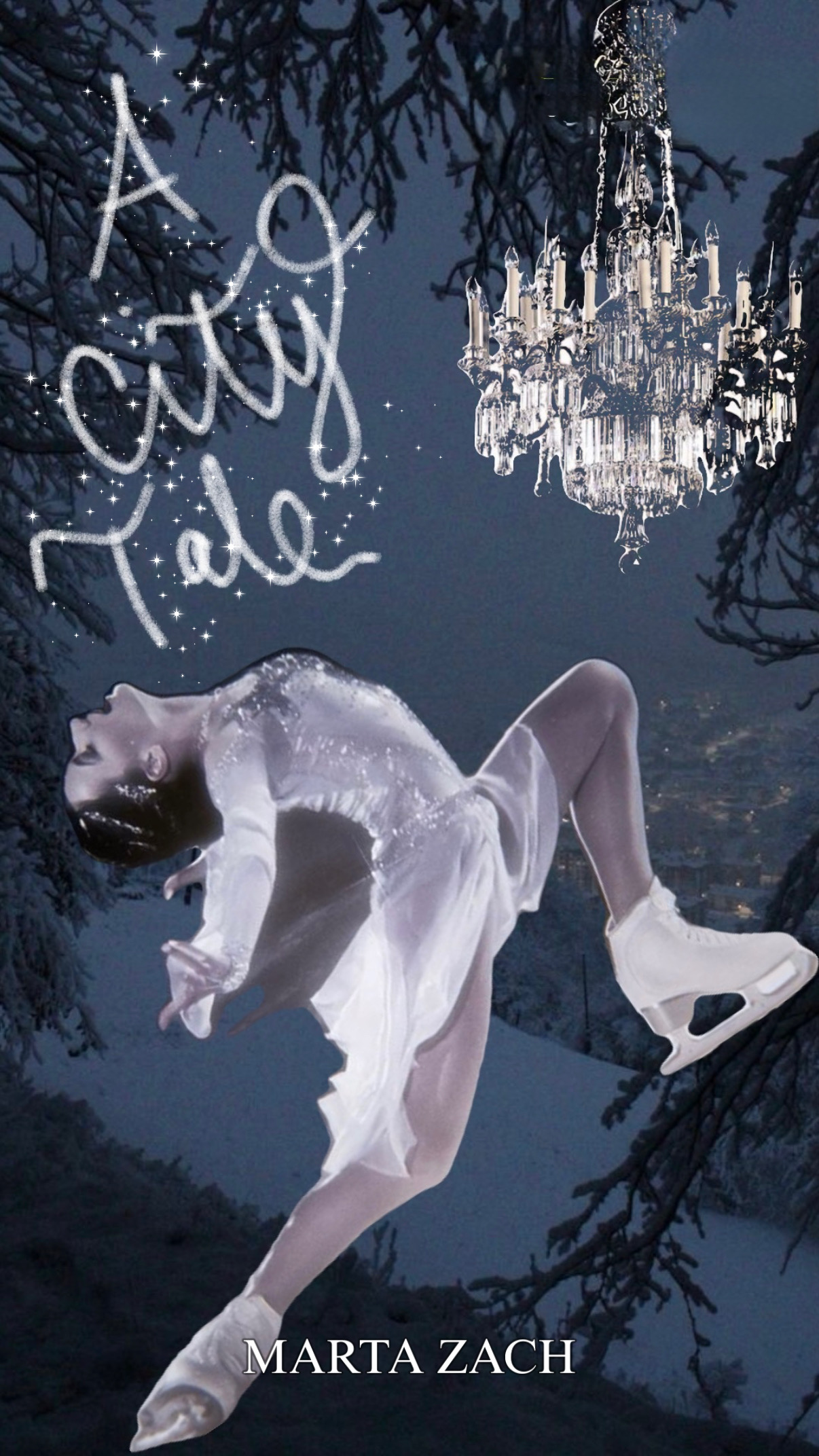
Welcome to a world of limitless possibilities, where the journey is as exhilarating as the destination, and where every moment is an opportunity to make your mark on the canvas of existence. The only limit is the extent of your imagination.
Casinos were where adulthood festered, where those for whom adulthood had been a blow rather than a gradeful descent congregated at diabolical hours to aspire toward a lifeline that spun and spun endlessly, flashed glorious colors, and in perpetuity whispered a familiar entreat: stay.
He had practice tomorrow at ten o’clock, and while he more often than not looked out for himself in terms of getting adequate sleep—he refused to be the dunce of the team—his palms were itching and he knew he would not be able to sleep.
Blown to bits. Blown to bits. Blown to bits.
In a civilized world, where his grandparents of antidiluvian times, of stoves into which chopped logs had to be inserted and of hoarding-jars of jams and jellies and of lines for drying clothing and of once a week banyas, might have something as a cell phone, to see and document anything they wished—in theory, rather than actuality—and where Niko could open any news app and see the entire world on an endless white background, it seemed backwards for such a pointless war to be fought, for so many boys, on either side, to have to perish. Eveything was there for viewing and for knowing: the best of times, the worst of times, all human suffering, all attempts at pseudo-glory, online debates, gory footage, humor at one scroll, uncensored violence at the next, emotions contorted every which way until one was no longer their master.
He decided to go out, to quell his restless thoughts. He put on a black sweatshirt and his favorite New Balances—with the maroon laces as though some beast had chewed upon them—and got into the rattling Buick and drove to Silverton Casino.
The neon lights stunned him every time, despite all the rest of Vegas bearing traces of this vibrance. Chatter rose up from tables and he could make out the faraway clinking of chips, a sound which made him think of a gyrating spine. The casino had a musk that would venture into sour stench: alcohol and sweat and plastic which had coalesced into a stale fume that pillaged the nostrils upon first entry.
The slot machines were banal to Niko—he found them to be child’s play, before which one became a slack-mouthed zombie. He was reasonable enough to find those stupid; the table games were much more elegant. He had his sights set on the crimson-felted one: Blackjack. A few paces away was the Roulette table. He smiled to himself a strange smile. He’d once had the barrel of a gun pointed to his head—a much more sinister gamble than the one that took place in this despondent room.
There was one seat left, last base. Niko hurried into it.
“Place your bets,” said the dealer, a white-mustached, white-bearded man who looked a slight bit like Ded Moroz plunged into pathology. He donned quintissential attendant garb: white collared shirt with a black vest and a black bow tie to match. The collar by his neck was faintly yellowed.
Beside Niko was a woman in her forties, wearing a tight red dress. He saw out of the corner of his right eye that she was smiling at him. He cleared his throat. All of the seats proferred their chips. The woman slid her red stack forward. He did the same—then added two greens.
The dealer handled the cards elegantly, emotionless, a practiced gesture of many years.
Niko thought of a funny joke one of his teammates, Derek, had once told him. “How do you leave the casino a millionaire?” he said. “How?” Niko replied. “By starting with a billion.”
The dealer raised a brow at Niko. He must have laughed without realizing.
“Blackjack pays three to two.” He turned to his left and began to deal the cards. Niko looked down: before him were a ten and a six. The dealer had a nine. Eyes began to shift; the players all stole glances at the others’ cards
“Fuck,” he said to himself.
It could have been worse. The woman beside him had gotten two eights. He heard her suck in a breath.
Niko sat up straighter and shifted his gaze to the remainder of the table. “Double down,” the bronze-skinned man in a button-up in the first seat said.
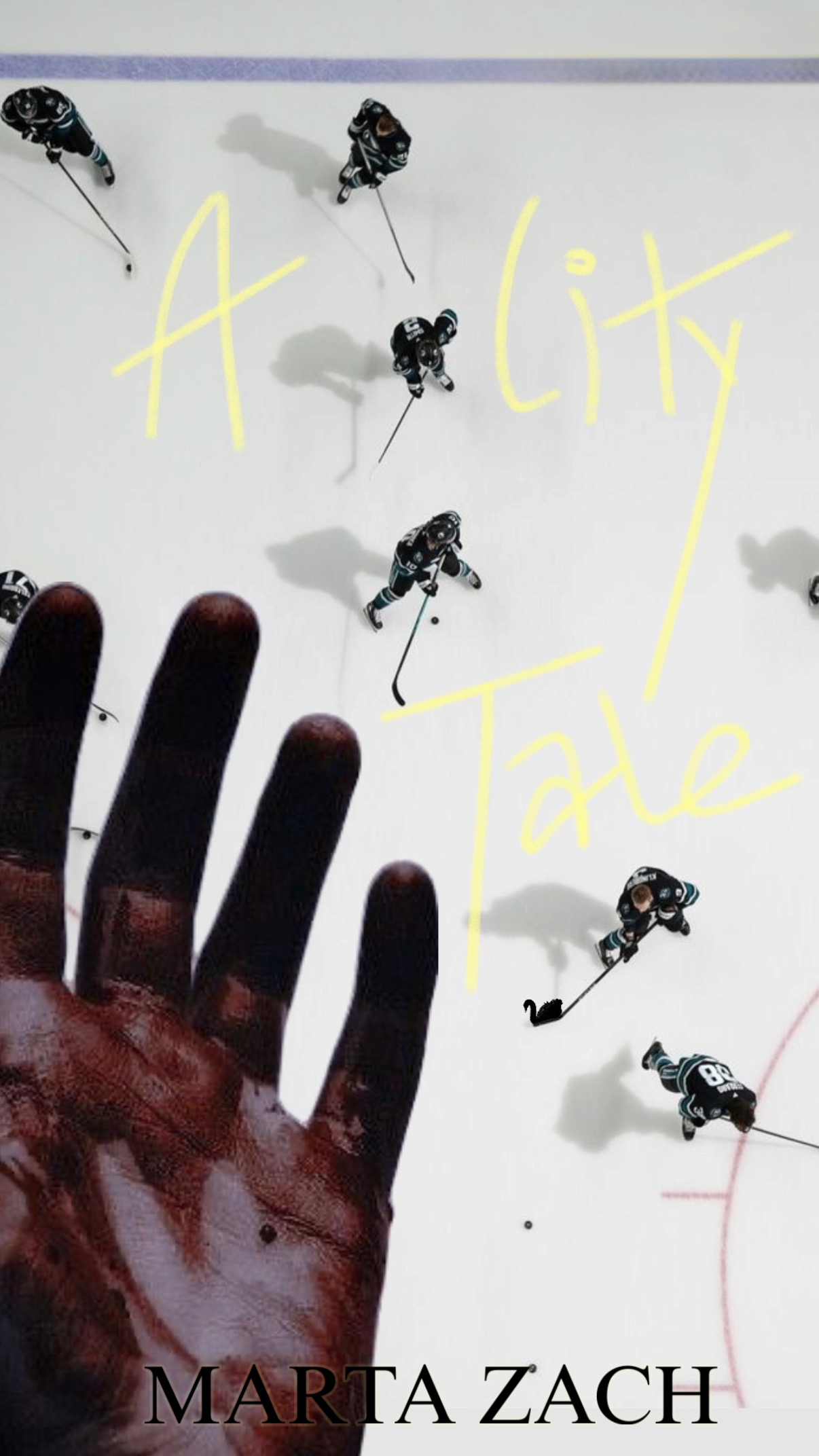
Blackjack was entirely different from the game upon the ice, where every move mattered, where each player’s maneuver impacted your own and where your teammates’ decisions became critical and where what each member of the opposing team did was even more critical. The competition at the red-felt table was more subtle, less direct, but nonetheless, Niko did not feel separate from the strangers in the tangential seats. Strangely enough, he was attuned to their nervous inhales and tense way of fingering the cards and sometimes even regretted the disdainful looks he would see emerging upon countenances. Perhaps it was because they were so close, and had come as they were, in garb chosen by them, wearing their own faces. Slamming into another player on the ice was a thrill for Niko and every time the puck sailed into the other team’s net, he gloated, but here, a loss was much more intimate.
The dealer faced the woman beside Niko. “Ma’am?” She fidgeted with her cards and chewed on her lip. Some of the lipstick smudged.
Niko craned his neck to look the man at the other side of the woman, in seat five. He first noticed the man’s appearance, unable to tell if his demeanor was permanently strained or if he was having an unsavory night. Dark brows were knitted together and he ran a hand through his goatee.
It was then that Niko noticed the man’s shirt, the familiar colors, the charcoal and the grey and the gold. He blinked. It couldn’t be. He blinked once more. This was a fan. Someone who might recognize him. Of course this was a gamble Niko made in theory each night, but never had a warning sign stared him right in the eye as it was now.
The man noticed Niko staring and paused. He scrutinized Niko in return.
Niko’s palms began to sweat. The lights were too bright; spots danced before his eyes.
“You’re underage, aren’t you?” the man then said.
“What?” Niko replied. His heart began to race. He would be arrested. His coach would know. He would be in heaps of trouble that he could not even fathom. “N-no I’m not.”
“Sir?” the dealer said. He was looking at Niko. The dealer would soon then call over security and he would be removed from the premises in cuffs.
The woman beside him turned to face him now as well. Her countenance had lost its demureneness. She, too, looked startled.
“Are you alright, darling?”
“I know him,” the man to her right said, grinning wildly. “He’s underage.”
The woman in the red dress and the dealer paid no mind to the man. Their gazes were trained on Niko.
He suddenly grew very hot. The lights were too bright. He’d made a mistake. He was a deer caught in headlights. He was a deer at which the man in seat five was aiming a hallowed barrel.
“No I’m not!” he cried. He jumped out of his seat, abandoning his nearly hundred dollars’ worth of chips, and ran out of the casino.
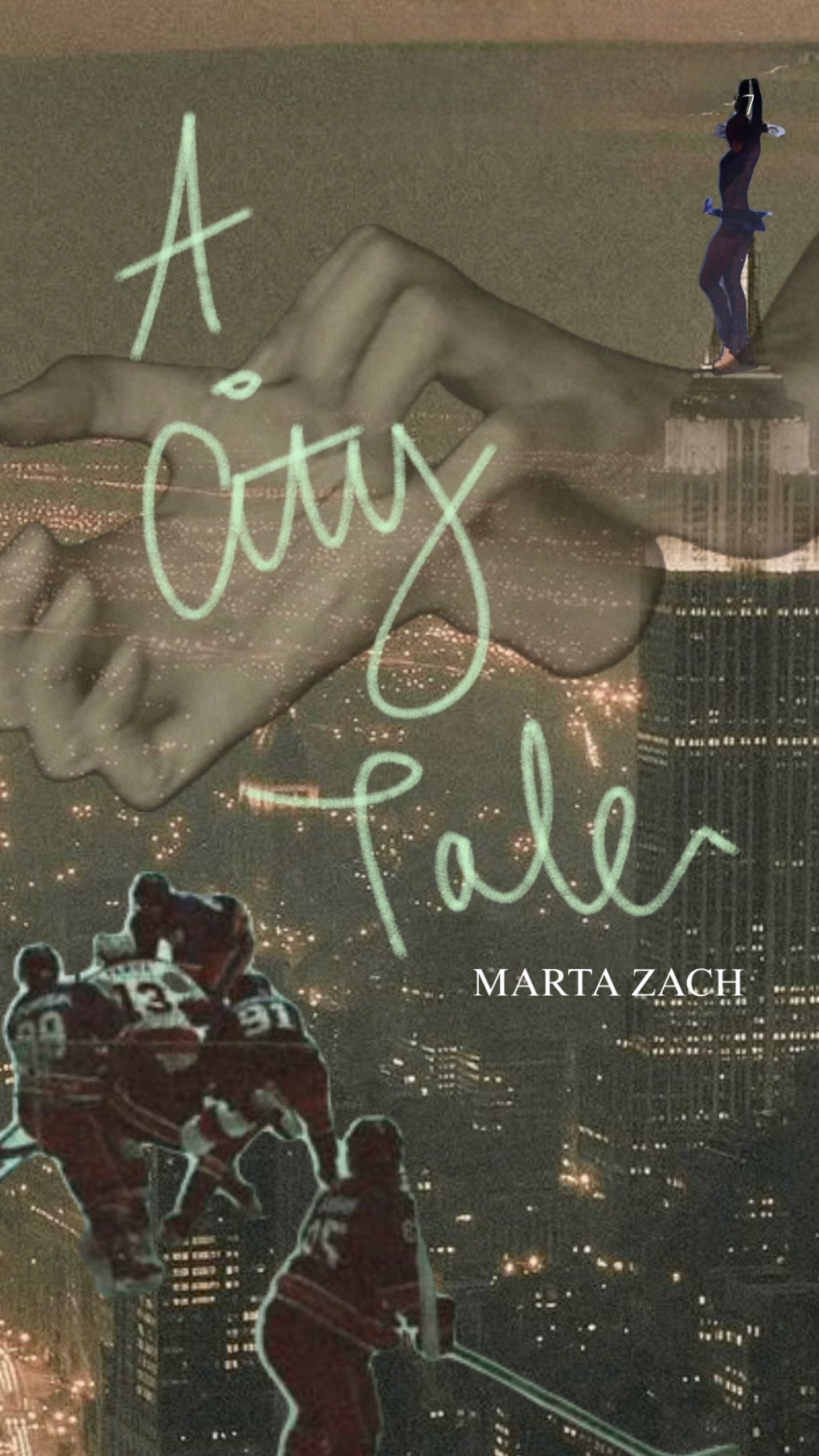
Welcome to a world of limitless possibilities, where the journey is as exhilarating as the destination, and where every moment is an opportunity to make your mark on the canvas of existence. The only limit is the extent of your imagination.

Welcome to a world of limitless possibilities, where the journey is as exhilarating as the destination, and where every moment is an opportunity to make your mark on the canvas of existence. The only limit is the extent of your imagination.
The looks. She watched all night how Niko would look at Hauth, how Hauth’s jaw would still while his eyes sailed to faraway places. Hauth would say something, and the other boy would laugh, or look at him, admiration swimming in his eyes. She could even swear that she saw a hand dive beneath the table; and then Hauth twitched, ever so slighly. She was attuned to all of his tells and never before had he acted this way, particularly not at the dinner table. All of the adults had begun to succumb to drunken lethargy and paid no mind, but even if there were an attentive, sentient member at the table, other than Adelaide, they would be impervious to the signs, subtle as they were.
Lydia might’ve been able to detect it. They would have done the thing, the girl-world eye contact, half-telepathy, half three-dimensional communication, a language only understood by women. But Lydia was in Switzerland with her father. It had been determined that she should not spend the holidays in a disparate setting, where she would be reminded of where she’d lost herself and be rendered susceptible to the influence of the friends which only Hauth, it seems, had always known were no good.
“So, Niko, how long have you been with the team?” Adelaide’s father asked.
“A few weeks,” Hauth answered for him.
The air became thick and the clock seemed all backward and the food on her plate swam before her in unpalatable shades of brown and assumed terrible textures and it took everything in her not to send her chair flying back with a loud groan, but that would be violently overt and then her parents would ask her what is wrong or blame her for making a scene at dinner and all of the guests will be made uncomfortable and the tension brewing within her would seep outward and affect the unsuspecting party in their contentment.
“It’s great that you’re both here with us for Thanksgiving,” her mother followed up, a hand on her father’s arm. “And that you became good friends so quickly.”
Niko coughed and brought his napkin to his mouth. Hauth only nodded. “Yes.”
It was as if her immediate world had conspired to taunt her from every direction.
“Excuse me,” Adelaide said, setting her fork down with a clatter. She rose, leaving the cotton napkin in a small pile on her chair.
All eyes flew to her and the composed chatter about the table lapsed into silence. Hauth’s brows twitched and the dark eyes trained on Adelaide, whose hands now trembled slightly where she stoof. Niko stopped chewing and swallowed and looked to Adelaide, then to Hauth, then back at Adelaide.
“Adelaide, dear, what’s wrong?” said her mother.
“I’m just neauseous,” she managed. “But I’ll be alright.” She tucked in her chair and excused herself, nodding at the guests, avoiding any direct eye contact.
Dusk had overtaken the pale blue of daytime and the early snow—they’d been met with a surprise onslaught a few days ago, where it snowed for what felt like an entire day and night—seemed to glow through the large dining-room windows, tinted a scant shade of lapis with the sun now no longer overhead. The heavy curtains were drawn, swept into stately wooden pullbacks, and dinner was graced by waned sunset hues now little more than deep navy and indigo collapsing into nighttime black.
Her room was scarcely the reprieve it ought to have been. The looks. The way they looked at each other. How closely the other boy leaned in. It was ostentaious, really, and yet, nobody noticed but her and nobody noticed that she had been noticing, except maybe Hauth, who cast her that stern look of his across the table, surveying her, then returning to conjuring up well-timed responses or elegant jokes. He laughed and blushed, the other boy. The laughs were neither loud nor obnoxious, but they were almost frantic, cloying, and it had all culminated so quickly that dinner very abruptly became a suffocating affair to its most subdued patron.
Her feminine intuition had allowed her to divine the indecipherable. The highest form of reading between the lines. In the flesh. Adelaide had always been keen, sharp, attuned. It was why art spellbound her so—no detail was ever omitted and banality was entirely removed from a painting, whose maker attended to it with reverence. She noticed things like blemishes and asymmetry on faces—real and fictional alike—shifts in the tone of a voice, prideful shoulders, or an antithetical hunch, the straightness of a spine, the bob of an Adam’s Apple like a Newton’s Cradle.
Adelaide removed her shoes and her dress before the mirror. Tears streamed uninhibited down her shell-pale skin and her lips became puffy and red, as though she’d just consumed wine. Next were the tights, peeled down her thighs, beyond her knees, then she stepped out of them and cast them to the side, her exposed feet tender against the carpet’s bristles.
She’d never been oppressed by demons in her head demanding she be thin, howling hatred down the winding hallways of her mind. She wanted to be thin, she enjoyed being thin and muscled. It made sense for her to be so in order to avoid being at odds with the gravity facilitating her gracefulness upon the ice. Her limbs were perfect for skating. There were girls who had to forsake their occupation, like ballet, when their bodies matured and their breasts became too big and it became an impossible to ignore reality that their new form was unfit for the sport. She was blessed by how she moved. But as she looked at herself in the mirror, an amalgam of muscles and sharp corners and firm angles jumped out at her and she wondered if she hadn’t somehow squandered her femininity, if larger breasts and Boticelli Venus hips wouldn’t have bsetowed upon her a facet of desirability impossible to attain while she retained her present form.
She went to her bed and laid there for a while, her eyelashes stuck together, bare atop her sheets. She’d nearly expelled every tear bent on falling when she felt heat and wetness between her legs and looked down to see a feeble stream of crimson trickle from her core onto the alabaster sheets. Her inner turmoil seemed to flow with the blood, guiding its passage, and knowing that half of her angst was that of her body pacified her mind. Adelaide didn’t concern herself with the mess being made; the dark pool between her legs. Her body had intuited the secret language at dinner, originating from a world in which she had no part, and she now knew why it had undone her so heedlessly. She shouldn’t have cared, or thought anything of it, for what was it but a reprieve, really, something else to occupy Hauth’s mind so that he would not think of her so often that it mutated into dissection, mulling over her body so that he would eventually become bored with her, for behind every beautiful woman is a man tired of sleeping with her, or so they say. So what was a juvenile sprite’s starstruck affinity to demolish her composure? It was the charged current of emotion within her, of course, the feminine agony which no girl was spared, that had been driving her perturbance. She sobbed again, as though provoked, and as her stomach trembled the stain grew greater and her abdomen began to ache.
Was she so boring, so scant, so available, that he had been tempted by this Puck, this sycophantic foreigner?
Chapter Seven
Hauth
Hauth’s palms were egregiously sweaty in his gloves and his shallow breathing, in tandem with the chill bite about the rink, made it feel as though his lungs were slowly being stripped of air. He looked up at his opponent through the steel grates of his helmet. Through the cage, shifty eyes met his. The linesman skated over, puck at his waist. Breathe in. The rubber laid flat in his parallel palm. Breathe out.
The puck landed on the ice and Hauth only knew one thing: the game.
Number twenty-four was quick but Hauth was quicker: in one quick swipe, he won the draw and the puck was in his possession. He raced back on his skates—someone crashed into him from his left, but all it did was knock his arm back. The puck was still his. The other team’s yellow and black appeared right before him. He sent the puck to Jack, hard and fast, slicing between two defenders.
The crowd was a pulsating force, tangible and loud, ensconcing the ice. The puck made it to center ice. A hit—two players collided and went crashing down, splayed, rough limbs against the stony ice. The bench errupted. The audience roared in the stands. Hauth’s skates tore across the ice, his two slashing knives. It was as natural as running. As walking.
This was his most familiar arena. Hewas a gladiator. He ceased to think. His instincts prevailed. He had done a dozen laps around the ice by now, his breathing rough, intense. His heart pounded like a relentless fist caught in a trap. The thrumming reached his ears. Blood coursed through his body.
Then he had it again. The ice before him was conquerable, open, assailable. He barreled beyond a defenseman, the familiar black at the end of his stick, obeying its master’s command. Go go go. His heart raced—he didn’t know which wis faster: the organ in his chest, or himself. Top sprint speeds on the ice reached twenty-five miles per hour; the heart reached two-hundred beats per minute—which was the greater exertion?
Puck. Stick. Goalie squared up. A defender in his wake on the inside lane. Right left right left swish swish.
Aim, don’t think.
Bang.
“He shoots…and he scores!”
The audience cheered loudly. Hauth felt a glove on his arm, then on his helmet. Bodies collided and he grinned.
“Stryker does it again,” Clark rattled his shoulders.
The rest of the game was no less abrasive. Hauth was soaked beneath his gear. Swish swish swish. He tore across the ice. He dodged offense at the center line.
He was then checked from the left and slammed into the corner board. First his shoulder ached. Then his head. His head exploded. The audience boos—the favorite player has been slighted. His ears began to ring and the crowd’s shouts were indiscernible, muffled.
There were black spots before his eyes. Two blurry pucks. Hauth raced forward. He blinked and slowed and got slammed again. He shook his head but that seemed to make it worse, rattling his brain that way. Dread pooled in his legs. A more solid black flashed before his eyes. Get it. He lurchesd but he was too slow—a defensive player in yellow and black cut in front of him and intercepted it. The black spots grew larger. His head began to spin. His heart was pounding faster than it was before, somehow. Dread. That’s what it was. His brain was caught in a violent grasp, beneath a hydraulic press, on the very verge of finally exploding and splattering. Reduced to pulp. He skated forward and colors blurred past him.
He was benched. He can’t recall leaving the ice until there was firm metal beneath him and his skates dug into rubber.
“Dude,” Franz said to him on the bench. His brows were drawn together, twitching a little. He was looking intently at Hauth. “What’s wrong with you, man?”
“Huh?” Hauth managed. His head was throbbing even harder now, as if being still allowed his brain to settle in his skull and the ache to take root.
“You looked like you were, fuckin’, hypnotized there for a sec.”
……
“Stryker, what was that?” Coach Matthews pulled him aside in the locker room.
Philly had beat them, four-to-two, home game. Jack had managed to score in the last period but by then there were only six minutes left on the clock and it was a victory for the opposing team. Hauth’s teammates had shot him puzzled looks from the benches—they were all witness to how he lagged.
“Do you need to get checked out?” Matthews continued after Hauth didn’t respond.
“No,” Hauth said. “No. It’s fine. I got hit pretty bad but I’m fine.”
“Maybe you should have Lacey check you for a concussion.”
Hauth began to shake his head before he realized that it hurt. It took everything in him not to wince. “If it continues into tomorrow, I’ll get it checked out.”
“Alright, Stryker,” his coach patted Hauth on the shoulder. His white tee still clung to his wet body post-shower. “Take care of yourself.”
……
Hauth had known for a while that there was something wrong with his brain.
Repeated blows have a way of doing that, of knocking the brain within the skull so wildly that it is never repositioned properly, ever again. Like a massive weight inside of the skull, yet all so delicate, the finest organ there is, because it is the organ which defines personhood and perception and if it were sent into disarray, or damaged somehow, there might be no knowing, for the rest of one’s entire life, not until something goes wrong, terribly wrong, and a familiar world becomes so foreign, so surety is never a guarantee. Plenty of minds are lost without cognizance.
So Hauth considered himself rather lucky that at age twenty-six he was at least very well aware that something was off about his brain, his head, that words did not come to him as quickly as they ought to, that he blinked slower in the mornings and evenings than he was supposed to, and that the world was often dizzy and muddled, increasingly polar to the drive and sharpness he’d once felt everyday when he was a teenager and a young man.
It wasn’t a typical concussion. The pain came and went, exacerbated by ultra-hard blows. He wasn’t impaired like he was when he got his first concussion at sixteen: nausea, vertigo, sensitivity to bright lights, to noise. Then, merely existing felt like a chore. What he had was something else, something he hoped he could keep under wraps and allow to resolve itself. He was fine. He had to be.
I can still play, he thought to himself. I scored today.
Hauth was restless and his palms were still sweaty even though the apartment thermometer was set to sixty-six and he ought to have been frigid.
What if I can’t play?
He could very well be one preposterous blow away from losing his entire career. One unlucky gamble, one unfortunate positioning on the ice, maybe it would be at one of the wings, maybe it would be by the corner board again, and he would be knocked unconscious and wake up to a whole new life, one where all he’d ever known was lost to him.
He laid in bed, head throbbing, and all he wanted to do was to message Adelaide, call her even, if he must, he would endure the ache of speech, the strain it put on him, and have her come over. Just to sit with him, to be near him. There was little else he could do anyway. And she was in New York. She’d be flying to Canada next week. He could finally see her now.
She wasn’t one to call or text of her own volition. She was busy, always busy, they both were, but she never seemed to rest, never at all. And yet, whenever she was physically near, she had a proclivity for doting on him in her subtle way, for devoting all of her attention to him as though she’d never deprived him of his fix. The way her fingers brushed against his jaw, how sweetly she spoke. Something about her immediate presence soothed his spirit every time. It was a fine game she played, though he knew she was not playing any game at all, this careful waltz where she’d magnetize him, irresistible.
Addie, he began to type. He sounded so needy. And he’d bothered her like this only recently with Lydia.
And his head hurt so badly and he was afraid of snapping. Though he never had before. He couldn’t imagine ever doing so, not with her. But the fear lingered, very subtly: I might be losing myself. He would snap in her presence and ruin it all in the midst of an unconquerable ache. He might also lapse into unpleasantness, be someone who is not at all pleasurable to spend time with. His head might end up hurting and he would abdicate his speech and vitality and become a burden. He deleted the message.
Impulsively, he pressed the call button, but it went straight to voicemail. He wasn’t sure whether or not he was relieved. It was as though someone else had possession over his fingers.
Hauth raised himself from his supine position—he didn’t wish to contort his spine any other way—and turned off the dim hallway light, then his bedside lamp, cursing that he hadn’t done it earlier.
The team was all prone to injuries: an unslightly twist of the leg, a sprain, a jammed finger. But nobody knew what was going on in his head. He himself didn’t even know for certain. It could very well be a form of rapidly accelerating brain damage and he would one day end up partaking in a homicidal spree from which he would be entirely dissociated, in the throes of a CTE rampage. Hauth nonetheless abstained from reporting it to his coaches, or even from going to a private doctor, of his own volition. He didn’t want to know. Because knowing that he ought to be off the ice, away from the sport that could, following one unslightly blow to the head, destroy him from the inside out would instill in him an impossible to reconcile dissonance. Not knowing made it less real and imminent. As long as he did not know, really know, he could prolong it. There was something so dangerous about a diagnosis and the way it affixed itself to a life, made inextricable from said existence and way of being once established. If he didn’t have a brain scan, if he didn’t have a doctor telling him, you have permanent brain damage, Hauth could still imagine it going away, improving instead of getting worse.
Hauth no longer wished to think of what it would be like to one day be unable to play, to have his mind turn on him, to have his body fail him from the place it seemed that his entire life stemmed. He tried not to think about it.
He closed his eyes and pined after sleep. But it was in vain—this was a restless night, as many of them tended to be.
His eyes still closed, he thought of a winter, two years ago. How cold out it had been. How darling it was nonetheless.
They’d taken a nighttime stroll through Central Park from which the wildness—the squirrels, the birds, the untamed flora—had retreated for the season, to burrow away and await warmth. The air was chilly but the lamplights were quietly welcoming, tall and patronly where they stood, emanating warm light at scant passerby.
Central Park was strangely desolate in winter evenings, a start contrast to its spring-and-summertime vivacity and ebullience, when energized civilians would play their music and cart vendors would tempt with ice cream and popsicles and when an unmistakable joie de vivre permeated the winding sidewalks in shades of laughter and chatter and the whirr of rollerblades and skateboards and twinkling shouts of children as the day rolled by. In the winter, the sidewalks were like swaths of tar, weaving to and fro, barren.
“You’re shivering.”
“Am I?”
“It’s quite cold out,” Hauth said, pulling her to him.
“We’re well-versed in cold though, are we not? Accustomed to it.”
“Not like this.” He planted a kiss atop her head. They walked hand in hand until they reached the edge of the park, where signs of life took the form of a singular bicyclist, whirring across the street, and lone figures hustling to the nearby subway station. Hauth hailed a taxicab and took Adelaide home.
“Can I wash your hair?”
They were in his shower with the lights off. Only a small candle burned atop the sink. In the background of the hiss of the showerhead was the faint tune of Wicked Game, playing in the apartment’s speaker system.
“Ye-es.”
“Don’t be strange, Hauth. I want you to see how nice it is,” she said. “That’s the allure of it, having someone else’s fingers and hands touch you. It’s not the same.” She lathered shampoo onto her hand, then her fingers were in his hair. So gentle. “Some girls say they can’t make themselves orgasm. It has to be another persons hand”
“Are you able to get yourself off?”
“Yes. But I like it more when you do it.”
His hand trailed up her leg and she squealed, clamping her legs together. “Hauth! Let me wash your hair first.”
“Fine.”
He sat on the little bench in the shower and pulled her onto his leg by her waist.
Her fine fingers carefully massaged his scalp and he leaned his head back ever so slightly. With his eyes closed, he murmured: “that does feel nice.”
“Mhm.” The pads of her fingertips did little circles amidst his hair. It was an unfamiliar yet tender sensation. Tingling. So good.
“You’re really getting in there.”
“That’s how you have to do it. Fingers against the scalp. Massaging gently.”
“I usually just slap shampoo on and rub it and call it a day.”
“Of course you do.”
The dark-haired little sprite attending to him in the misty darkness, all focus and intensity. Her concentration so close to him. Her scant weight on his leg. The smooth, glistening skin. A soaking pearl plucked right from the slick maw of its oyster.
He couldn’t help himself and his lips crashed into hers and she’d hardly been able to protest when their mouths met and soapy water dripped into his eyes and nose but he didn’t care.
Hauth blinked into the hazy darkness of his bedroom—that all had felt like a dream, it was so vivid, yet it was a memory. A real one he’d really had. Never had he had a dream that clear. He was fully alert now, but everything was slightly fuzzy, that pixelated blackness about a room when all light has been entirely cast out.
What a wicked game to play
To make me feel this way
What a wicked thing to do
To make me dream of you
Chris Isaak’s melancholy entreat was, indeed, playing on the speakers in his apartment. It wasn’t loud enough to warrant a complaint from his neighbors—or so he hoped—but Hauth was nonetheless dazed and confused, sleepy and aching, and it was still too loud. He rubbed his eyes and felt around by his pillow for his phone. The brightness hurt his eyes.
He turned the song off and lay back down. The apartment was silent once more.
 Marta Zach